Starting an LLC is bold & exciting,Funding it with zero revenue? That’s where most founders freeze & starts flowing can feel impossible..
For many entrepreneurs starting a new business, securing a business credit card can feel like a paradox. You need access to credit to grow operations, purchase inventory, or cover early expenses, but without revenue or a proven income stream, traditional lenders often hesitate to extend financing.
If you’re launching a consulting firm, ecommerce brand, agency, or service business, you’re likely wondering:
Can I get a business credit card for my LLC with no revenue & before it makes money?
The answer is yes if only you understand how approval really works in 2026.
Most banks don’t care about your business revenue in year one.
They care about you, your personal credit, income stability, and financial behavior.
This guide will show you exactly:
- ✔ Which business credit cards approve no-revenue LLCs?
- ✔ How to dramatically increase approval odds?
- ✔ The smartest way to use these cards without hurting your credit
- ✔ Pros, cons, risks, and strategic advantages
- ✔ What to do if you get denied?
Built specifically for SMB owners and growth-focused founders, this is a practical, no-fluff breakdown.
Overview: Best Business Credit Cards for LLCs With No Revenue (2026)
| Card | Best For | Credit Needed | Annual Fee | Why It Stands Out |
|---|---|---|---|---|
| Chase Ink Business Unlimited® | 0% APR Financing | 680+ | $0 | Long intro APR + flat-rate rewards |
| Amex Blue Business Cash™ | Higher Credit Profiles | 690+ | $0 | Strong cash back + premium protections |
| Capital One Spark 1.5% | Fair-to-Good Credit | 660+ | $0 | More flexible underwriting standards |
| Bank of America Business Advantage | Existing Bank Clients | 680+ | $0 | Relationship-based approval benefits |
| Divvy (BILL Spend & Expense) | Cash-Based Underwriting | Varies | $0 | Built-in expense management controls |
If you want the highest approval odds: Apply with a bank where you already have a relationship.
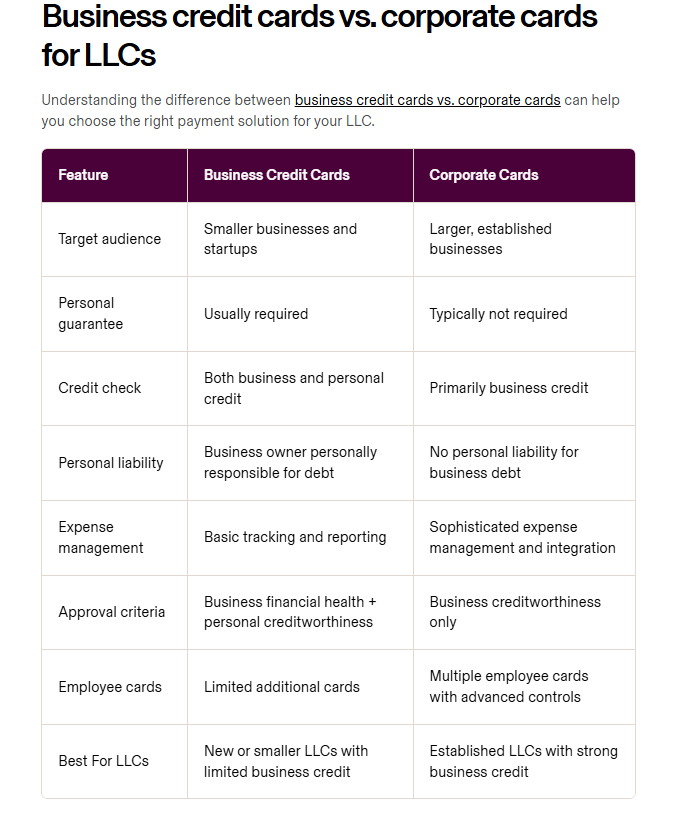
How Business Credit Card Approval Works for a New LLC (No Revenue)?
When your LLC has:
- $0 revenue
- No business credit history
- No trade lines
Banks evaluate:
- Personal credit score
- Personal income
- Debt-to-income ratio
- Credit utilization
- Existing relationship history
Important: Most Require a Personal Guarantee
This usually means:
- You’re personally liable
- Your credit may be impacted
- Responsible usage is critical
What Credit Score Do You Need?
| Credit Score | Approval Likelihood |
|---|---|
| 720+ | Excellent |
| 680–719 | Strong |
| 640–679 | Possible (issuer dependent) |
| Below 640 | Difficult (consider secured options) |
If you’re above 680, your odds are solid — even without revenue. even if your credit score is below 680 there is trick most new business owners does, explained below
5 Best Business Credit Cards for LLCs With No Revenue (Detailed Review)
1. Chase Ink Business Unlimited® Credit Card
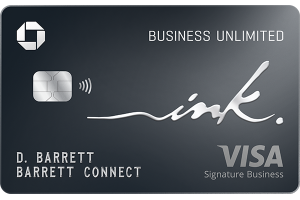
The Chase Ink Business Unlimited® is a popular choice for LLC owners seeking flexible financing and straightforward rewards. It’s particularly attractive for new or low-revenue businesses that need breathing room during early growth stages.
Best for: 0% Intro APR + Startup Purchases
Top Features
- 0% intro APR (ideal for launch expenses)
- Unlimited 1.5% cash back
- No annual fee
- Intro offer $750: Earn $750 bonus cash back after you spend $6,000 on purchases in the first 3 months from account opening.
- Employee cards at no cost
- Strong welcome bonus structure
Why It Works for No-Revenue LLCs
Chase heavily weighs personal credit in year one. If your profile is clean and stable, revenue becomes secondary.
Pros & Cons of Chase Ink Business Credit Card 2026 Review
Real Pros
- Long intro APR for cash flow breathing room
- Simple rewards structure
- High signup bonus
- Strong banking ecosystem
- 100% builds business credit history
- $0 annual fee
- 1.5% – 5% cashback rewards rate
Cons
- Requires good personal credit
- Personal guarantee required
- Tougher approval with recent credit inquiries
- High APR after intro period ends
- Conservative approval if debt levels are high
Real Pros of Chase Ink Business Credit Card 2026 Review
- Long intro APR for cash flow breathing room
- Simple rewards structure
- High signup bonus
- Strong banking ecosystem
- 100% Builds business credit history
- 0% Annual fee
- Rewards rate
- 1.5%-5% Cashback
Cons of Chase Ink Business Credit Card 2026 Review
- Requires good personal credit
- Personal guarantee required
- Tougher if you have recent inquiries
- High APR after intro period
- Conservative approval if debt is high
Real Use Case
A freelance consultant launching with $0 revenue uses the 0% APR to:
- Buy equipment
- Cover marketing software
- Fund website development
Paid off within intro period → zero interest cost.
2. American Express Blue Business Cash™ Card

The American Express Blue Business Cash™ Card is positioned for established small businesses with stronger personal credit profiles. It combines straightforward cash back with premium-level purchase protections and account management tools.
Cardholders earn 2% cash back on eligible purchases up to an annual spending cap (then 1% thereafter). There is no annual fee. American Express typically requires good-to-excellent credit and a personal guarantee.
The card includes expanded warranty coverage, purchase protection, and access to Amex business tools. While it helps build business credit, American Express may report negative activity to personal credit. Businesses that pay on time may qualify for higher limits over time.
Best for: Founders With Strong Credit Profiles
Top Features
- 2% cash back (up to spending cap)
- No annual fee
- Purchase protection
- Excellent digital expense tracking
Pros & Cons of American Express Blue Business Cash™ Card Credit Card 2026 Review
Pros
- Generous early spending rewards
- High-quality customer service
- Strong purchase protections
- Integrates with accounting tools
- Flexible payment features
Cons
- Usually requires 690+ credit score
- May request income verification
- Personal guarantee required
- Less forgiving on high credit utilization
- Not ideal for lower credit profiles
Real Use Case
An ecommerce founder running paid ads and inventory purchases could leverage the generous early spending rewards to offset marketing costs. The strong purchase protections help safeguard large supplier transactions, while accounting integrations simplify monthly bookkeeping and cash flow tracking.
Pros
- Generous early spending rewards
- High-quality customer service
- Strong purchase protections
- Integrates with accounting tools
- Flexible payment features
Cons
- Usually requires 690+ score
- May request income verification
- Personal guarantee required
- Less forgiving on high utilization
- Not ideal for lower credit profiles
Real Use Case
An ecommerce founder uses this card to fund first inventory order while waiting on supplier payment terms.
3. Capital One Spark 1.5% Cash Select
The Capital One Spark 1.5% Cash Select card is designed for small businesses that want simple, predictable rewards without complicated category tracking. It is often considered more accessible than some premium business cards.
This card offers unlimited 1.5% cash back on every purchase, with no cap, and no annual fee. Approval may be possible for applicants with fair-to-good credit, though a personal guarantee is required.
Capital One typically pulls from all three major personal credit bureaus during the application process. The card reports account activity to business credit bureaus and may also report to personal credit. It includes standard fraud protection and free employee cards.
Best for: Fair-to-Good Credit (660–690 Range)
Top Features
- Flat 1.5% unlimited cash back
- No annual fee
- More flexible underwriting
- Free employee cards
Pros & Cons of Capital One Spark 1.5% Cash Select Credit Card 2026 Review
Pros
- More forgiving approval model
- Good entry-level option
- Strong fraud monitoring
- Simple rewards structure
- Accessible for newer credit profiles
Cons
- Pulls from all three credit bureaus
- Lower initial credit limits
- Reports to personal credit
- Higher APR
- Fewer premium perks
Real Use Case
A subcontractor starting a new LLC with limited revenue could use this card to cover fuel, tools, and short-term job expenses. The more flexible approval model makes it accessible while building payment history, even if credit is still developing.
Pros
- More forgiving approval model
- Good entry-level option
- Strong fraud monitoring
- Simple rewards
- Accessible for newer credit profiles
Cons
- Pulls from all three bureaus
- Lower initial limits
- Reports to personal credit
- Higher APR
- Fewer premium perks
Real Use Case
A subcontractor LLC covers fuel and materials before receiving client payments.
4. Bank of America Business Advantage Unlimited Cash
Currently, this secured business credit card from Bank of America requires a minimum deposit of $1000. The initial credit line will be equal to the deposit. It offers a rewards program featuring an unlimited 1.5% cash back on eligible purchases with no cap. You can redeem cash rewards as a credit card statement or as a deposit into your Bank of America bank account—checking or savings.
Bank of America will automatically review the cardholder’s credit history, and customers who pay on time and meet other qualifications may be able to transition to an unsecured card. Bank of America business credit cards generally report to SBFE.
Best for: Existing Bank Clients
Top Features
- Relationship-based approval boost
- Rewards boost for Preferred Rewards members
- No annual fee
- Seamless integration with BofA accounts
Pros
- Strong approval odds if you already bank there
- Boosted rewards tiers for relationship clients
- Solid introductory APR offers
- Familiar and integrated online banking ecosystem
- Easier reconsideration process compared to some issuers
Cons
- Harder approval without an existing relationship
- Moderate base rewards compared to competitors
- Requires good personal credit
- Conservative underwriting standards
- Personal guarantee required
Real Use Case
An LLC with an existing business checking account gets faster approval due to banking history.
5. Divvy (BILL Spend & Expense)
Divvy, now part of BILL Spend & Expense, is a modern corporate card designed for expense management and cash-flow control rather than traditional rewards optimization. It stands out for startups and LLCs that may not yet have strong revenue but need structured spending oversight.
Divvy offers built-in budgeting tools, real-time expense tracking, and employee card controls. Approval is often based more on business cash flow and bank account data than strictly on personal credit score.
Best for: Cash-Based Underwriting & Expense Control
Top Features
- Expense management software included
- Real-time spending controls
- Budget allocation tools
- No annual fee
Pros
- May evaluate cash balance vs credit score alone
- Great for team spending
- Strong controls for growing companies
- Scales with business growth
- Built-in reporting and expense tracking
Cons
- Spending limit tied to cash flow
- Less reward-focused than traditional cards
- Requires bank account connection
- More involved approval process
- Not ideal for very thin credit profiles
A Smart Next Step
- Is my credit utilization low?
- Can I repay balances within 3–6 months?
- Am I choosing a card aligned with my growth stage?
| If You… | Consider |
|---|---|
| Want 0% interest breathing room | Chase Ink Unlimited |
| Have 700+ credit score | Amex Blue Business Cash |
| Have 660–690 credit | Capital One Spark |
| Already bank with Bank of America | BofA Business Advantage |
| Want expense control for your team | Divvy (BILL Spend & Expense) |
Pros & Cons of Getting a Business Credit Card With No Revenue
Strategic Advantages
- Builds business credit early
- Separates personal & business expenses
- Improves short-term cash flow
- Earns rewards on startup costs
- Establishes lender relationships
- Enables smoother vendor payments
- Positions you for larger funding later
Real Risks to Consider
- Personal liability via guarantee
- High post-intro APR
- Over-leveraging before revenue
- Possible personal credit impact
- Hard inquiries if denied
- Lower initial credit limits
- Temptation to overspend
This is a powerful tool — not free capital.
How to Increase Approval Odds in 2026
What If You Get Denied?
Smart alternatives:
- Secured business credit cards
- Net-30 vendor accounts
- Corporate cards tied to deposits
- Temporary personal card (strict separation required)
Frequently Asked Questions (FAQ – Schema Ready)
Q1: Can I get a business credit card with no revenue?
Yes. Most issuers evaluate personal credit and income rather than business revenue in year one.
Q2: What credit score is needed for a business credit card?
Typically 680+ for strong approval odds. Some issuers approve mid-600 scores.
Q3: Does a business credit card check personal credit?
Yes. Nearly all require a personal guarantee and run a personal credit check.
Q4: Will it affect my personal credit score?
Yes. There will be a hard inquiry, and some issuers report balances to personal credit bureaus.
Q5: Should I wait until my LLC makes money?
Not necessarily. If used strategically and paid responsibly, starting early can help build business credit faster.
Conclusion: Are Business Credit Cards for No-Revenue LLCs Worth It?
For disciplined founders with solid personal credit — absolutely.
They provide:
- Controlled startup financing
- Cash flow flexibility
- Rewards on necessary expenses
- Early business credit building
But success depends on strategy, not approval alone.
Use them as working capital.
Avoid long-term interest.
Scale responsibly.